Business Driving & Tax
BPM explained for business drivers

Updated
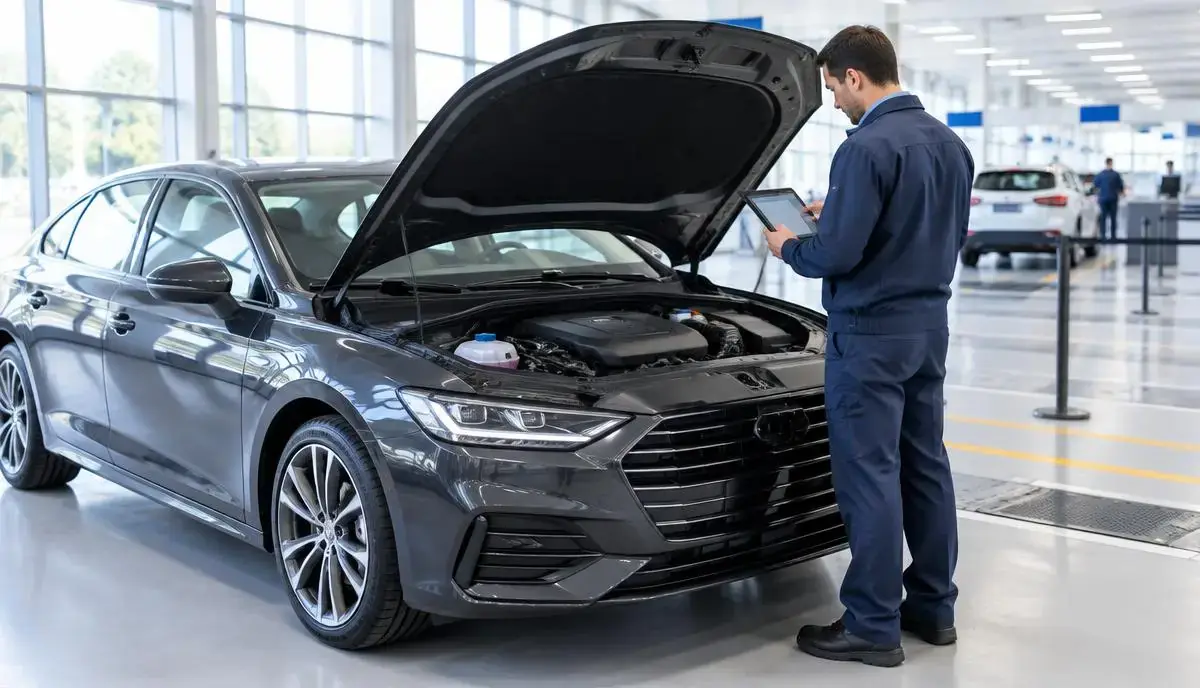
The private car and motorcycle tax (BPM) is a one-off tax levied upon the registration of a vehicle in the Netherlands. For business drivers and entrepreneurs, this tax directly impacts the purchase price and lease amounts of the vehicle fleet.
How is the BPM amount determined?
For passenger cars, BPM is largely calculated based on the vehicle's CO2 emissions. The higher the car's emissions, the higher the BPM amount that must be paid upon registration.
A different regulation applies to fully emission-free vehicles compared to vehicles with an internal combustion engine. Consult the current rules of the [Belastingdienst (Dutch Tax and Customs Administration)](https://www.belastingdienst.nl/wps/wcm/connect/bldcontentnl/themaoverstijgend/brochures_en_overige_informatie/bpm_bij_personenautos_en_motoren) for the precise calculation methods and tariff brackets per vehicle category.
BPM when importing a business car
When you choose to import a car from abroad for business use, you will be subject to a residual BPM. This is the BPM amount still due on the vehicle based on its age and historical condition.
Importing a young used car can be a financially attractive alternative. Explore the options for leasing an imported car to see how BPM is processed in a business lease contract.
Changes in BPM exemption for commercial vans
In the past, entrepreneurs could utilise a general BPM exemption when purchasing a business commercial van through the entrepreneur scheme. This legislation is subject to change, meaning that CO2 emissions are becoming increasingly decisive for the tax burden, even for commercial vans.
It is important for companies to check which rules apply at the time of purchase when replacing commercial vans, to avoid unexpected additional investment costs.
When do business drivers not pay BPM?
Although BPM generally applies to every new passenger car, motorcycle, or commercial van registered in the Netherlands, there are specific situations where business drivers may be exempt. These exemptions are often linked to the type of vehicle and its use, and are intended to stimulate certain sectors or sustainable choices. It is crucial to carefully check the exact conditions, as these can vary and impact the total investment.
The most well-known exemptions typically concern electric vehicles and certain types of commercial vans used exclusively for business purposes. Electric passenger cars are fully exempt from BPM, which offers a significant advantage upon purchase. For commercial vans, exemptions also apply under strict conditions and depending on the form of business, provided the vehicle is demonstrably used for business purposes for more than 10%. These rules are dynamic and require continuous attention.
- Full exemption for electric passenger cars.
- Exemption for certain commercial vans used exclusively for business purposes.
- Specific regulations for taxis and public transport.
- Sometimes exemption when importing a car that was already subject to BPM in an EU country.
Does BPM affect the lease price of my business car?
BPM is a one-off tax paid upon the purchase of a new vehicle, or upon import. Although BPM itself is not a periodic cost item for the business driver, it does indirectly affect the monthly lease price. This is because BPM increases the vehicle's catalogue value, and this value forms the basis for calculating depreciation and financing costs included in the lease price. The higher the BPM, the higher the investment for the leasing company.
With operational lease, BPM is included in the total cost price of the car and then spread over the term of the lease contract. This means that a higher BPM amount results in a higher monthly lease instalment. For financial lease, BPM also forms part of the amount to be financed. It is therefore important to consider BPM when comparing lease offers, especially for vehicles with high CO2 emissions.
Frequently asked questions
Do you have to pay BPM when leasing a car?
With an operational lease, BPM is incorporated into the car's purchase value and thus passed on in the monthly lease rate.
How can you calculate the residual BPM amount of an imported car?
This is done based on the vehicle's depreciation via the statutory BPM depreciation table or an approved valuation report.