Equipment Lease
What is equipment lease?

Updated
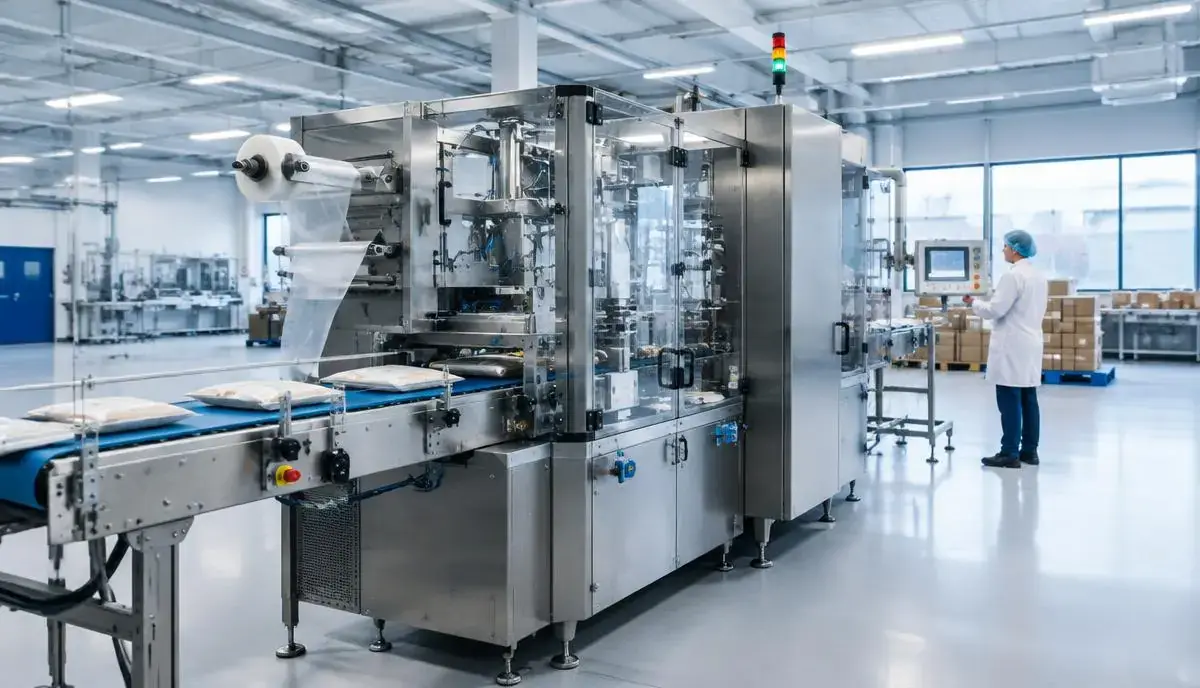
Equipment lease works similarly to financial lease, but for business assets. You spread the investment and free up your working capital.
What can you lease?
Business assets with a clear value and lifespan:
- machinery and tools;
- trailers and superstructures;
- forklifts and earthmoving equipment;
- business inventory.
Why?
You use the asset immediately and pay it back from the revenue it generates. Also read what is equipment lease.
What types of equipment lease are there?
In equipment lease, two main forms are generally distinguished: financial lease and operational lease. The primary difference between these forms lies in who holds the economic and legal ownership of the leased asset. This choice has direct implications for your company's balance sheet position and tax depreciation possibilities. The most suitable form depends on specific business needs and desired balance sheet ratios.
With financial lease, the lessee, who is the user, becomes the economic owner of the equipment. This means the asset is recorded on the company's balance sheet, and the lessee is responsible for depreciation and maintenance. With operational lease, the lessor (the leasing company) remains both the legal and economic owner. This results in a lease structure that stays off the balance sheet and often includes a broader range of services, such as maintenance and insurance.
- Financial lease: economic ownership with the company.
- Operational lease: ownership and risk with the leasing company.
- Sale and leaseback: sale of existing assets and immediate leaseback.
What should you pay attention to in an equipment lease agreement?
Before entering into a lease agreement, it is crucial to carefully review the terms and conditions. Pay attention to the contract duration, the amount of the monthly instalments, and any additional costs. These costs may relate to administration, insurance, or maintenance, depending on the chosen lease form. A clear understanding of all financial obligations prevents surprises throughout the term of the agreement.
Furthermore, it is important to thoroughly review the agreements regarding service, maintenance, and the end of the agreement. Who is responsible for repairs? What are the options for early termination or extension? For operational lease, specific conditions may apply to the condition in which the equipment must be returned at the end of the term. Clarity on these matters contributes to a smooth cooperation and efficient management of your business assets.
Frequently asked questions
Can I lease used machinery?
Often yes, depending on age, condition, and marketability.