Fleet Management
Deploying a Pool Car: Efficient Shared Business Transport

Updated
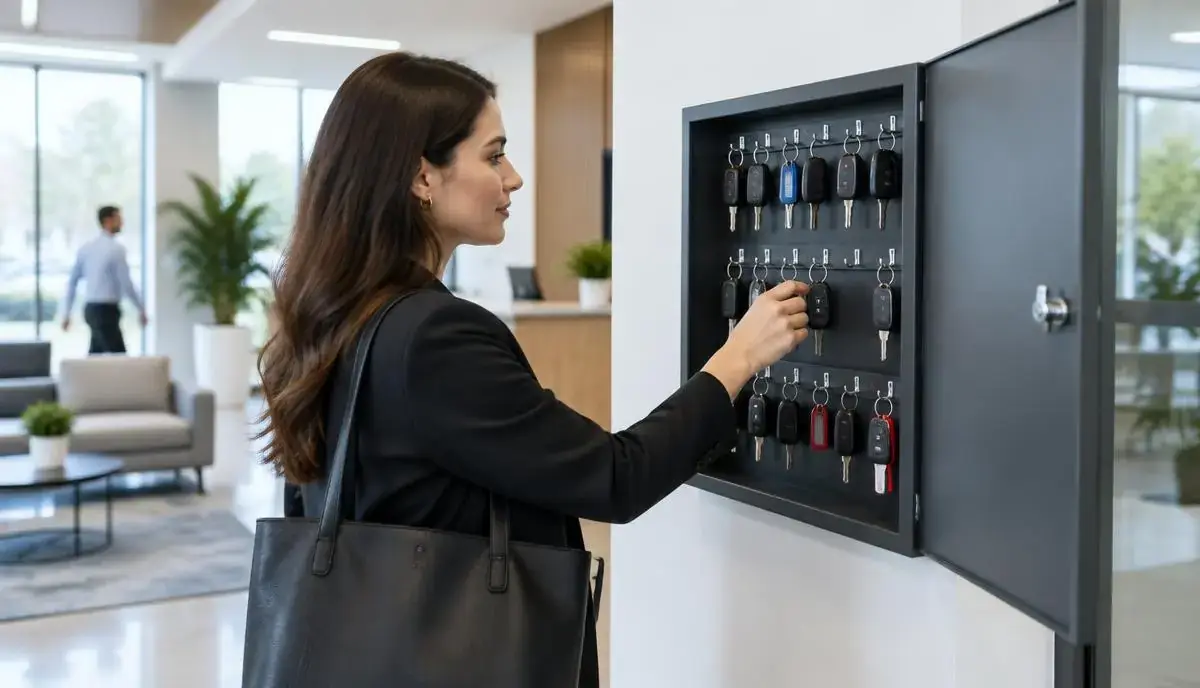
A pool car is an ideal solution for companies where employees occasionally need a car for business journeys. Instead of individual lease contracts, you efficiently share vehicles among staff. Good agreements and registration are essential for smooth deployment.
Tax Aspects and Journey Logging
For a pool car, accurate journey logging is crucial. As long as the vehicle is used exclusively for business purposes or the limit of 500 kilometres of private use per calendar year is not exceeded, no addition to taxable income (bijtelling) is due. For specific situations, consult the current rules of the Dutch Tax Authorities (Belastingdienst).
Practical Organisation and Key Management
A clear reservation system prevents double bookings and ensures clarity for employees. Also, make clear agreements about returning the vehicle.
- Ensure the car is tidy and clean after use
- Check the charging status or fuel level upon return
- Report any damage directly to the administrator
What Role Does Sustainability Play in the Use of Pool Cars?
Optimising the fleet through the deployment of pool cars directly contributes to an organisation's sustainability objectives. By utilising vehicles more efficiently, the total CO2 emissions per kilometre driven are reduced, as fewer cars are needed for the same transport offering. This effect is further enhanced when the pool car fleet primarily consists of electric or plug-in hybrid models, which have a lower environmental impact. Strategically configuring the pool with sustainable vehicles can thus be a concrete step in corporate social responsibility (CSR).
Additionally, the presence of a pool car fleet may encourage employees to think more often about the necessity of a journey. This can lead to more conscious travel behaviour, where cycling or public transport is more often considered as an alternative for shorter distances. A well-organised pool car policy can indirectly contribute to a shift towards more environmentally friendly forms of mobility within the organisation, further reducing the total ecological footprint.
- Fewer vehicles needed per employee.
- Promotes electrification of the fleet.
- Contributes to CSR objectives.
- Encourages more conscious travel behaviour from employees.
How Do You Manage Pool Car Availability and Prevent Conflicts?
Effective management of pool car availability is crucial to prevent conflicts and ensure efficiency. This begins with a clear reservation system that provides insight into which vehicles are available at what time and by whom they have been reserved. Digital platforms often offer functionalities such as online booking, calendar integrations, and automatic reminders, which ease the administrative burden and increase transparency for all users within the organisation. This system must be easily accessible and user-friendly.
Furthermore, a sound policy regarding usage times and any priorities is essential. Clear rules about, for example, the maximum lending period, returning the car on time, and the procedure for cancellations contribute to a smooth process. Regular communication to users about this policy and the operation of the reservation system helps to prevent misunderstandings and ensures that pool cars can be optimally utilised without unnecessary friction between colleagues.
Frequently asked questions
Can a pool car be taken home?
Yes, for business journeys, but be careful that this does not compromise accurate journey logging regarding private use.
Who is responsible for fines with a pool car?
The driver registered in the reservation system at the time of the offence is responsible.