Insurance Policies
Fleet Policy: Multiple Cars on One Policy

Updated
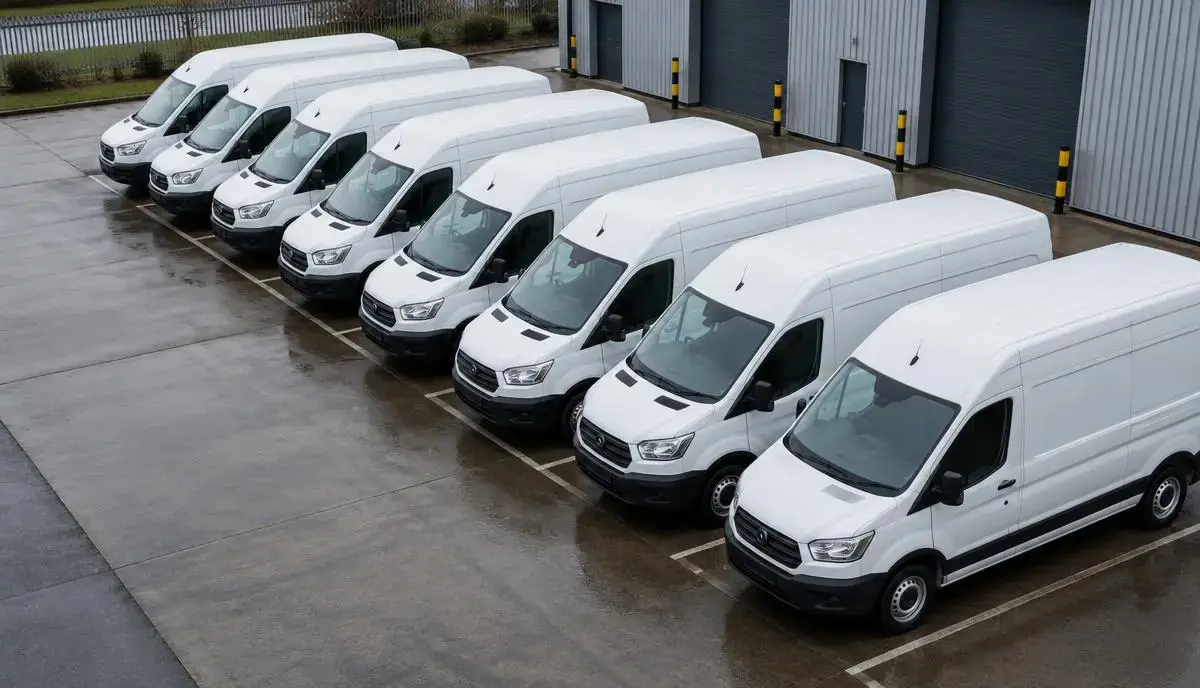
With a fleet policy, you insure multiple business vehicles under one policy, with one premium and one point of contact.
Benefits
- less administration;
- easy addition or removal of vehicles;
- premium based on the entire fleet;
- overview of claims and costs.
When is a fleet policy suitable for my company?
A fleet policy is typically an efficient solution for companies that own or lease multiple vehicles. Most insurers apply a minimum number of vehicles, often ranging from two to five, to qualify for such a collective insurance policy. It is a practical choice for both small and medium-sized enterprises (SMEs) with a modest fleet and for larger organisations with tens or hundreds of vehicles.
Suitability depends not only on the number of cars but also on the nature of the fleet and business operations. If your vehicles have diverse models, ages, and usage profiles, a fleet policy can streamline administration. This includes vans, passenger cars, light commercial vehicles, and sometimes even specialised equipment that can fall under the same policy, provided the insurer allows it.
- Multiple vehicles, often a minimum of 2-5
- Varying vehicle types and usage
- Need for streamlined administration
- Focus on a clear overview of insurance costs
What coverage options are available for a fleet policy?
The coverage options within a fleet policy are comparable to those of individual car insurance policies but often offer more tailored flexibility. Standard choices such as Third-Party Liability (TPL), TPL with Limited Casco, and TPL with Full Casco (all-risk) are available. It is common to be able to vary the chosen coverage per vehicle, depending on its value, age, and specific use. This allows you to specifically cover risks.
In addition to basic coverages, there are various supplementary options that can further extend the policy. These include Personal Accident Insurance for occupants or Occupant Damage Insurance, which offers protection to the driver and passengers. Breakdown assistance, new-for-old replacement value cover, or purchase value guarantee, and coverage for inherent defects or equipment are also common additional choices. It is advisable to inventory your company's specific needs for optimal coverage.
Frequently asked questions
From how many vehicles?
That varies per insurer.