Business Driving & Tax
Motor Vehicle Tax for Businesses: How Does It Work?

Updated
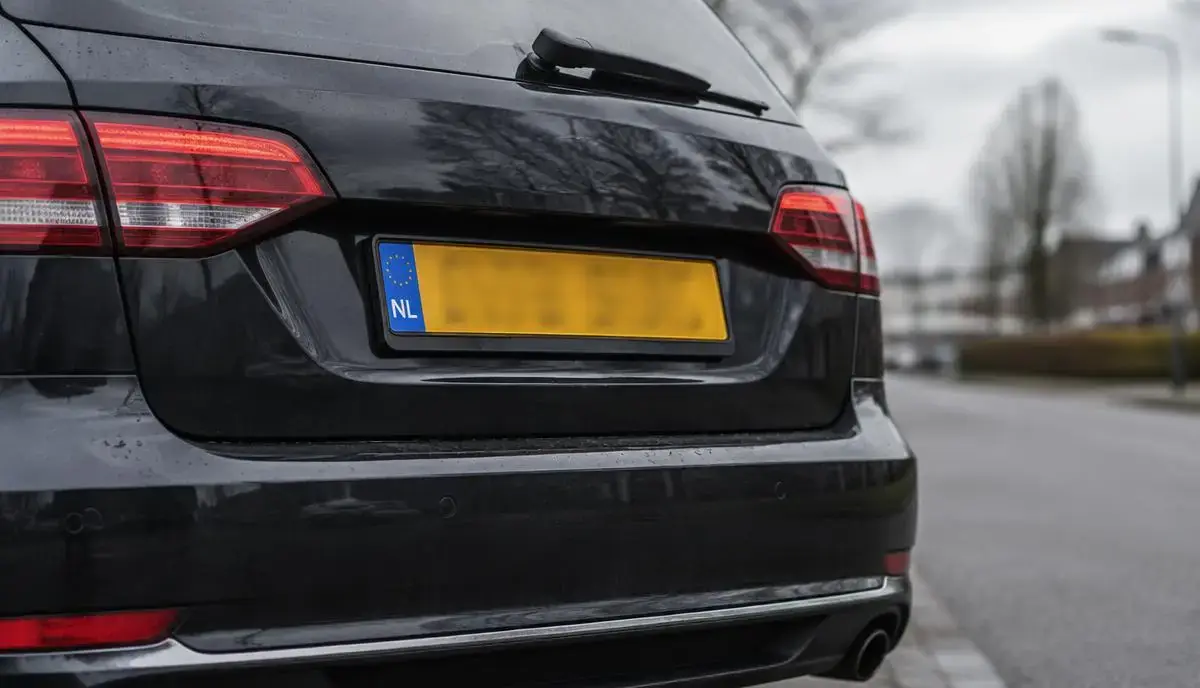
If you use a company car, you will encounter motor vehicle tax. The amount of this tax depends on various factors such as the vehicle's weight and fuel type. In this article, we explain what you, as an entrepreneur, need to consider.
How is motor vehicle tax calculated?
As an entrepreneur, you pay motor vehicle tax, also known as road tax, for vehicles registered in your name or the company's name. The amount is primarily determined by the vehicle's unladen weight, fuel type, and the province where the registered owner is located.
For business drivers, the type of vehicle can also influence the tax. This includes the difference between a passenger car and a commercial van. Consult the current rules of the Belastingdienst (Dutch Tax and Customs Administration) to see which rates currently apply to your fleet.
Tax advantages and exemptions
Specific tax benefits or exemptions apply to certain types of vehicles. This can make a significant difference to your company's fixed monthly costs. Find more information on tax advantages for business leasing to discover how you can strategically benefit.
For example, fully electric vehicles and emission-free cars often enjoy specific benefits. Adjusted regulations may also exist for hybrid vehicles, depending on the current legislation.
- Exemption or discount for emission-free vehicles
- Adjusted rates for plug-in hybrids
- Entrepreneurial scheme for commercial vans
Administration and payment for leasing
The way you pay the motor vehicle tax depends on the chosen lease or purchase method. With a purchased car or financial lease, you receive the invoice directly from the Belastingdienst and are responsible for timely payment.
If you opt for full operational lease, the road tax is almost always included in the fixed monthly amount. The leasing company then handles the payment, reducing the administrative burden within your organisation.
Which vehicles are exempt from motor vehicle tax?
Exemptions are, in most cases, intended to support specific sectors or encourage sustainable transport. For example, fully electric passenger cars and commercial vans are often subject to a motor vehicle tax exemption or a reduced rate until a certain date. Certain vehicles for public transport, emergency services, or agriculture may also qualify for an exception. The current overview of these exemptions can usually be found on the Belastingdienst website and is subject to political decision-making.
- Fully electric vehicles (up to certain years)
- Public transport vehicles
- Emergency service and special vehicles
- Classic cars (depending on age)
What is the difference between motor vehicle tax and VAT on lease cars?
VAT (Value Added Tax), on the other hand, is an indirect tax levied on the supply of goods and services. For a business lease car, the entrepreneur pays VAT on the lease rate. For VAT-registered entrepreneurs, there is often the possibility to reclaim this paid VAT (partially) as input tax, depending on the type of lease and the percentage of business use of the car. It is essential to thoroughly understand these distinct tax treatments for accurate administration and tax declarations.
Frequently asked questions
Do I pay road tax with an operational lease?
In most cases, the motor vehicle tax is already included in the leasing company's fixed monthly lease rate.
Are electric company cars exempt from road tax?
Specific discounts or exemptions often apply to fully electric cars. Check the current rules of the Belastingdienst for this.