Financial Lease
Bring your car to the Netherlands or lease one here?

Updated
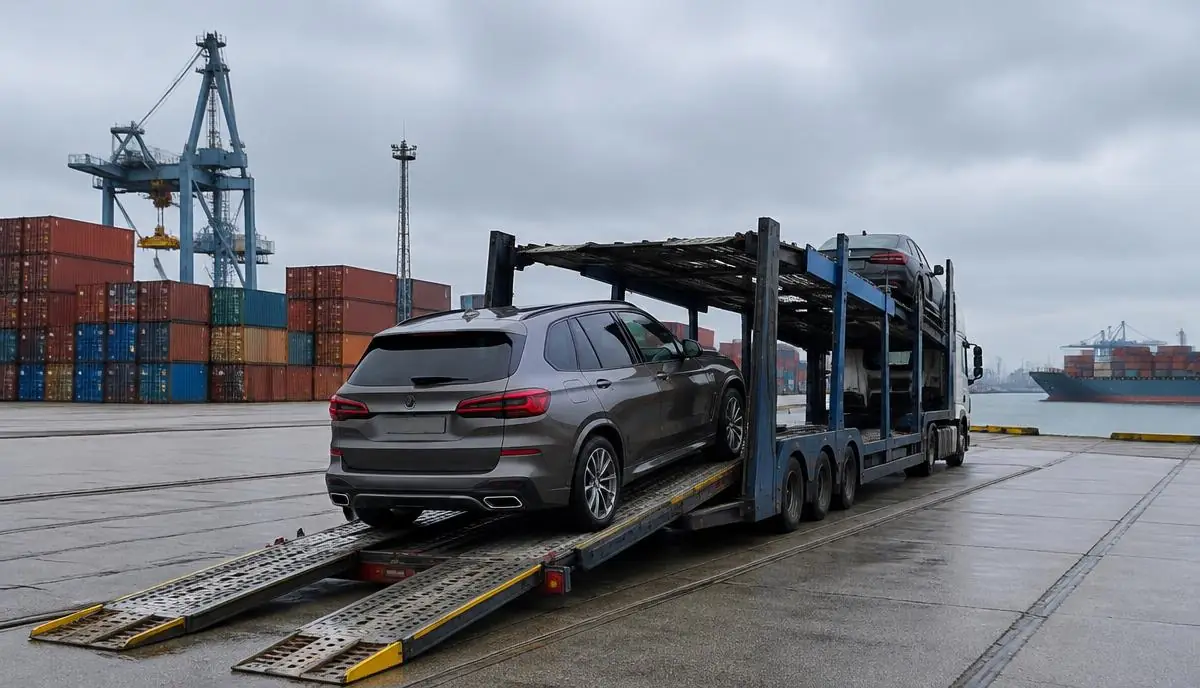
Many expats wonder whether to bring their own car or arrange a new one in the Netherlands. Both are possible, but importing comes with a number of obligations.
Driving on foreign plates
Once you live in the Netherlands and are registered with the municipality, you are in principle not allowed to keep driving a car with foreign registration. The car then has to be registered on Dutch plates. There are exceptions, for example for certain cars provided by a foreign employer.
What does importing involve?
You have the car inspected and registered by the RDW. You usually also pay BPM, the Dutch registration tax. When moving house, an exemption may apply if you owned and used the car for some time before the move. Read more about BPM.
Check the current conditions with the Dutch Tax Administration before shipping the car.
Leasing in the Netherlands
If you lease a car in the Netherlands, it already has Dutch plates and the BPM is included in the price. That saves paperwork on arrival. If you want to finance a foreign car through the Netherlands, see leasing an imported car.
What suits you?
If you stay for a short time, a flexible or operational lease is often easier. If you stay longer and have your own business, financial lease can be attractive because the car goes on your balance sheet.
Frequently asked questions
How long can I drive on foreign plates after moving?
After registering in the Netherlands, the rule is that you register the car on Dutch plates. Have your specific situation checked by the Dutch Tax Administration.
Do I pay BPM on my own car?
Usually yes, unless you qualify for the exemption for household effects when moving.
Can I lease a car bought abroad here?
Yes, an imported car can be financed through financial lease, provided it meets the lender's requirements.
Terms in this article