Fleet Management
Business Van Driving

Updated
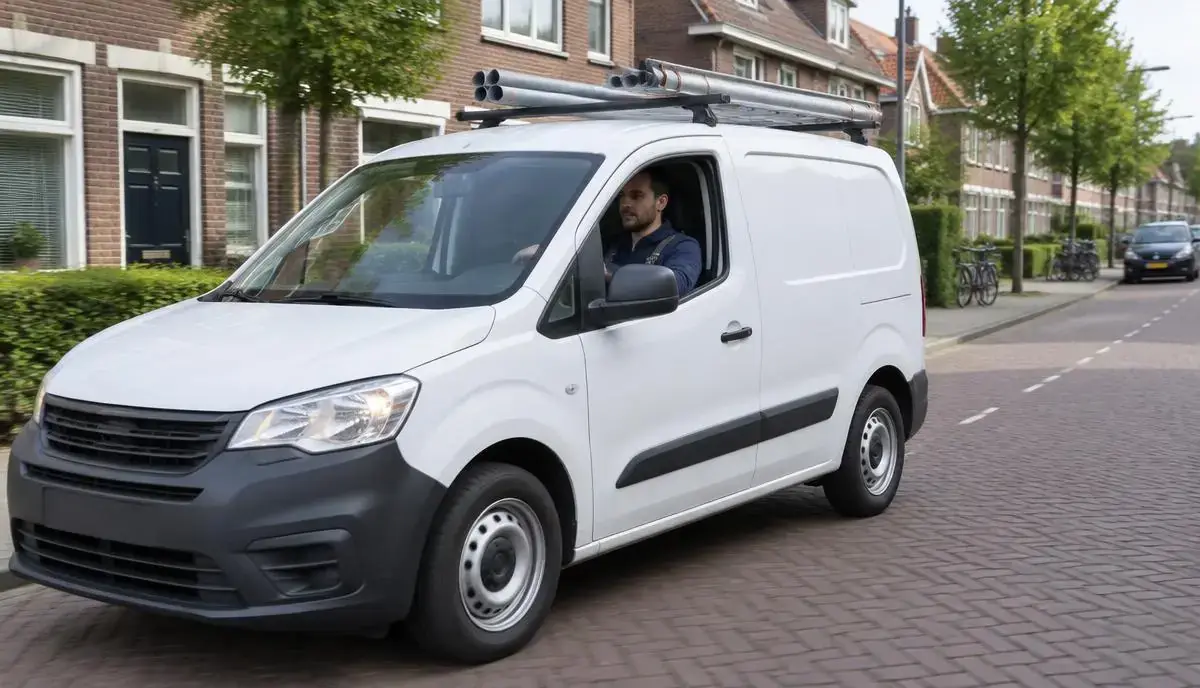
For vans, different tax rules apply than for passenger cars. Especially for entrepreneurs in construction, installation, and transport.
Key Differences
Entrepreneurs do not pay BPM for a van that meets the conditions, and there are exceptions to the addition to taxable income (bijtelling), for example, if private use is prohibited. Also, see commercial vehicles.
What Tax Rules Apply to a Van?
In addition to the benefits, the potential addition to taxable income (bijtelling) must also be considered. If the van is also used privately and more than 500 private kilometres are driven annually, bijtelling must be paid. The amount of the bijtelling depends on the CO2 emissions and the catalogue value of the vehicle. For vans, specific exceptions or lower bijtelling percentages may be possible, for example, with an 'exclusively business use' declaration or limited private use.
Why Choose an Electric Van?
Furthermore, the government stimulates the transition to electric transport with various subsidy schemes and tax advantages. This includes the SEBA subsidy scheme for the purchase of electric commercial vehicles or advantages in arbitrary depreciation (MIA/VAMIL). Leasing an electric van can help to spread the initial investment and directly benefit from lower operating costs and environmental advantages, fitting modern fleet management.
Frequently asked questions
When does the BPM exemption apply?
If you are an entrepreneur and use the van for business purposes for more than 10%. Check the current conditions with the Tax Authorities (Belastingdienst).