Fleet Management
Electrifying Your Fleet: A Practical Step-by-Step Plan

Updated
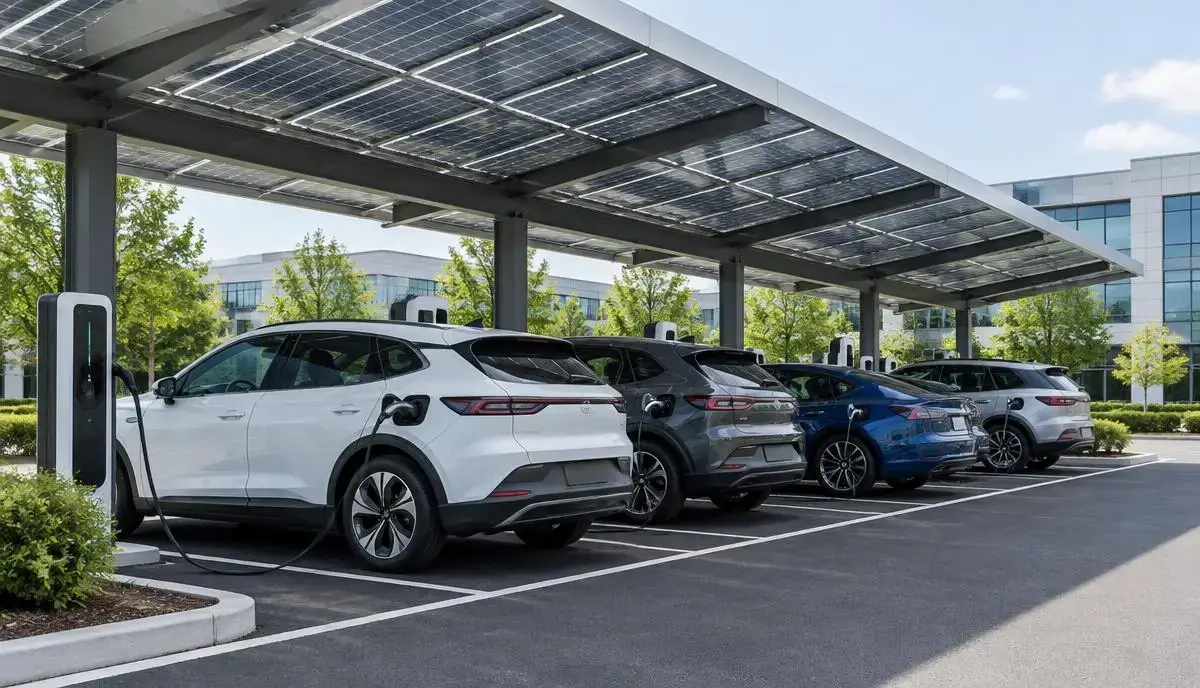
Making the fleet more sustainable is an important step for many organisations. However, the transition to electric vehicles requires a structured approach. With the right step-by-step plan, you ensure a seamless transition for the entire organisation.
Analysis of Current Transport Needs
The first step is to map out current vehicle usage. Look at the distances employees drive daily and how many kilometres are covered annually.
Based on this data, you determine the required range. Review the range of electric lease cars to get an idea of suitable models.
Charging Options and Grid Capacity
A successful transition stands or falls with the charging infrastructure. Investigate whether charging stations can be installed on your own premises and what the possibilities are for home charging for employees.
Also consider the grid capacity of the company premises. Sometimes an upgrade of the connection is necessary to be able to charge multiple vehicles simultaneously.
Adjusting the Car Policy
Finally, it is essential to clearly document the agreements in the car policy. Think about reimbursements for home charging and the use of public charging passes.
By establishing clear guidelines, organisations prevent ambiguity regarding expense claims, electricity costs, and charging behaviour.
What Financial Benefits Does Electrification Offer?
In addition to direct cost savings on energy and taxes, electrification can also lead to lower maintenance costs. Electric vehicles typically have fewer moving parts than their petrol or diesel counterparts, resulting in less wear and tear and less frequent maintenance. It is essential to include these expected savings in the business case for electrification, to get a realistic picture of the financial impact of the transition.
How Do I Integrate Charging Infrastructure at Company Locations?
When planning, consider not only the technical implementation but also smart charge management to prevent peak loads and optimise energy costs. This includes systems that distribute charging throughout the day or night, taking into account power availability and tariffs. Also, inquire about possibilities for any subsidies for the installation of charging stations, which can reduce the initial investment and shorten the payback period.
Frequently asked questions
How long does the transition to an electric fleet take?
The lead time depends on vehicle delivery times and the installation of charging infrastructure; on average, this takes several months.
What if the grid capacity of the company premises is insufficient?
With smart charging solutions (load balancing), the available power can be optimally distributed among the chargers without a direct grid upgrade.
Terms in this article