Business Driving & Tax
Electric Business Driving and Charging

Updated
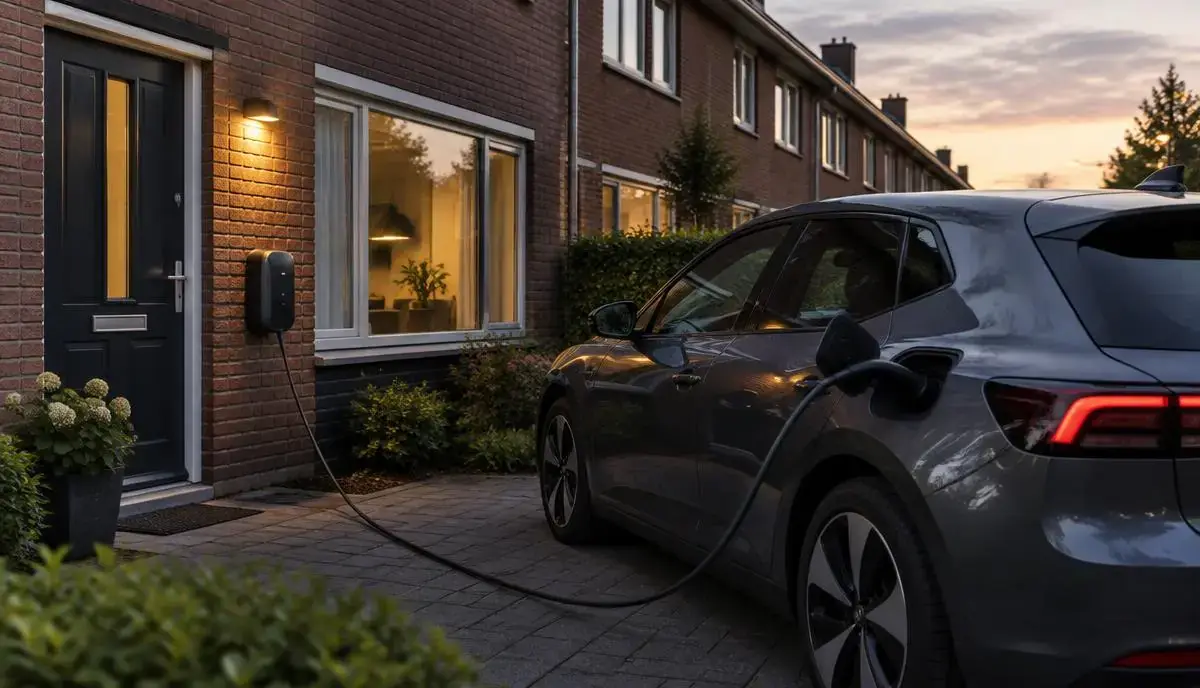
More and more business drivers are choosing electric. This requires clear agreements about charging.
Home Charging
If you charge at home, you agree with your employer on how electricity costs will be reimbursed, for example, via a charge point with an intermediate meter.
ERE Reimbursement
With Renewable Energy Units (ERE's), charged electricity can yield extra benefits. View our range of electric cars.
Reconciling Charging Costs for Business Charging
When employees charge their business electric car at public charging points or at the office, reconciling the incurred costs is an important consideration. For business charging at public charge points, costs are often settled directly via the lease company or a charging service provider. Employees use a specific charge card or app for this, making transactions clear and traceable for the employer. This prevents employees from having to front the costs themselves.
When charging on company premises, it is important that the employer registers the consumed electricity and accurately processes the costs in the administration. This can be done, for example, with smart charge points that track consumption per vehicle or per employee. These costs are then considered business expenses and are tax-deductible under standard fiscal rules. A clear policy on the reconciliation and registration of charging costs helps prevent misunderstandings and ensures efficient processing.
Smart Charging for Optimisation and Cost Control
Smart charging refers to the process where the charging of electric vehicles is optimised based on factors such as electricity prices, availability of renewable energy, or the capacity of the electricity grid. By charging when electricity is cheaper, for example at night, companies can significantly save on their energy costs. Smart charging can also help prevent peak load on the grid, which is beneficial for the energy infrastructure and potential network tariffs.
The implementation of smart charging solutions often requires an investment in more advanced charge points and management software. These systems can schedule and prioritise charging sessions, taking into account vehicle departure times and desired state of charge. For companies with a larger electric vehicle fleet, smart charging offers not only financial benefits but also improved efficiency and a smaller ecological footprint. It helps to better distribute and manage energy demand.
- Charging based on dynamic electricity tariffs.
- Optimising charging times for grid stability.
- Utilising self-generated solar energy.
- Capacity management for multiple charge points.
Frequently asked questions
Who owns the charge point?
That varies: sometimes the employer, sometimes the employee. Document it in your car policy.
Terms in this article