Insurance Policies
GAP Cover for Lease Cars

Updated
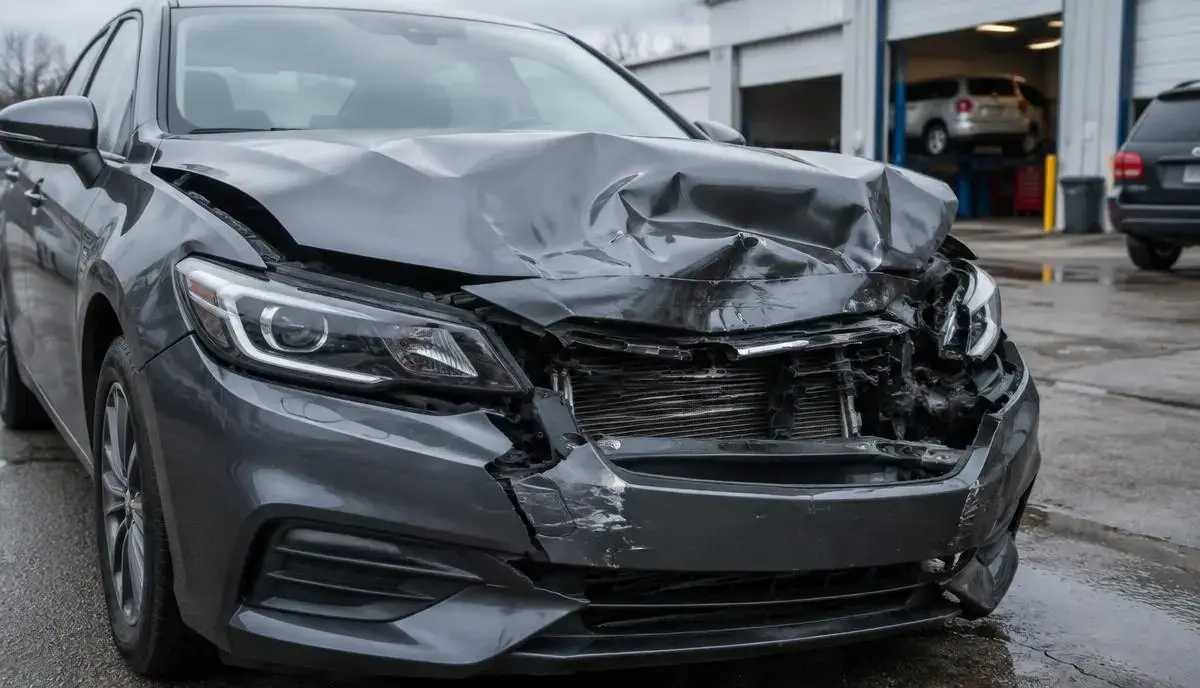
In the event of a total loss or theft, the insurer usually pays out the market value. This can be lower than your outstanding lease debt. GAP cover bridges that difference.
Why it matters
Especially in the first few years, a car's value depreciates faster than the outstanding debt. Without GAP cover, you would pay that difference yourself.
When is GAP Cover relevant for your lease car?
This insurance is therefore a valuable addition for companies looking to minimise the financial risks of their fleet. It offers peace of mind, knowing that in the event of irreparable damage or loss of the vehicle, the financial gap will be closed. If you are considering a long-term lease contract or a vehicle with high depreciation in the first few years, it is highly recommended to request information about GAP cover to prevent potential future inconvenience.
How does GAP Cover payout work in case of damage?
This is where GAP cover comes in. As soon as the payout from the regular insurance has been determined, the GAP insurer calculates the remaining amount needed to fully settle the outstanding lease debt. This difference is then paid to the leasing company, thereby fully satisfying the lessee's financial obligation. It is important to thoroughly understand the specific terms and maximum payout amount of your GAP policy for optimal certainty.
Frequently asked questions
Is GAP cover mandatory?
Not legally; however, some financiers may require it.
Terms in this article