Insurance Policies
Occupant Accident Insurance (SVI): What You Need to Know

Updated
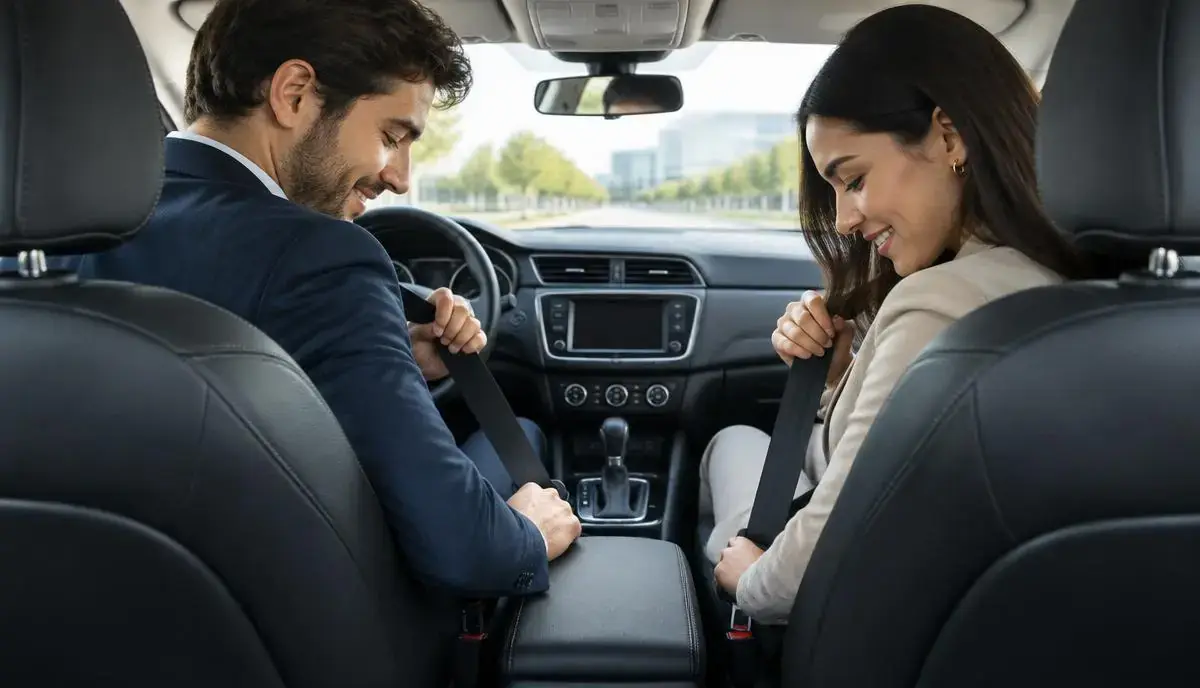
A regular car insurance policy covers damage to the vehicle, but does not always offer complete protection for all occupants. With Occupant Accident Insurance (SVI), both the driver and any passengers are covered in the event of an accident. This is an important additional cover for those who spend a lot of time on business trips.
What does Occupant Accident Insurance entail?
Occupant Accident Insurance compensates for the actual damage incurred after a road accident. This applies regardless of who was at fault for the accident. The cover includes both personal injury and damage to clothing and luggage that was in the vehicle.
Difference from Passenger Accident Insurance
There is an important distinction between Occupant Accident Insurance (SVI) and Passenger Accident Insurance. Passenger Accident Insurance pays out a fixed sum in the event of disability or death. The SVI compensates for actual costs, such as medical treatments and loss of income. For business drivers, you can determine the appropriate additional cover by reviewing business options.
Why is it essential for business drivers?
As an entrepreneur or employer, you are responsible for yourself and your employees. If an accident occurs during a business trip, the SVI covers the financial consequences. This prevents lengthy legal disputes about the driver's liability.
When is Occupant Accident Insurance (SVI) important?
Occupant Accident Insurance (SVI) offers protection in situations where occupants sustain injuries, regardless of who is liable for the accident. This is particularly relevant in accidents where liability is unclear, or if the driver themselves caused the accident. The insurance then covers the actual material damage and personal injury suffered, such as medical costs, loss of income, and compensation for pain and suffering, up to the insured amount. This prevents occupants from having to go through the often complex and lengthy process of claiming damages themselves.
The SVI is also crucial when the opposing party is uninsured, or in the case of a single-vehicle accident without a clear liable third party. Without an SVI, occupants in such situations might have to wait a long time for compensation for their damage, or even receive no compensation at all if the liable party cannot pay. For business drivers, who often transport passengers, this provides reassuring certainty that their employees or customers are well protected during journeys.
- Accidents with unclear liability
- Single-vehicle accidents without third-party involvement
- Driver of the business vehicle causes the accident
- Opposing party is uninsured or cannot bear the damage
How does payout work with an SVI and what should I look out for?
The payout from Occupant Accident Insurance (SVI) is aimed at compensating for the actual damage suffered by the occupants. This means that the insurer determines the personal injury and material damage based on evidence, such as medical reports, payslips, and invoices. Compensation often includes items such as medical treatments, loss of earning capacity, and compensation for pain and suffering. It is important to know that a maximum amount per event or per occupant is set, which is determined when taking out the insurance.
When choosing an SVI, it is essential to pay attention to the level of the insured amount and the exact cover conditions. Check whether the policy also offers cover for the driver themselves and if there are any exclusions, for example, for damage caused while under the influence of alcohol or drugs. Ensure that the insured amount is sufficient for potentially high personal injury claims, especially in business traffic where one may deal with different types of journeys and passengers.
Frequently asked questions
Does the SVI also cover the driver's damage if they caused the accident?
Yes, Occupant Accident Insurance also pays out to the driver if they themselves caused the accident.
Are items in the car also covered?
Yes, damaged clothing and personal belongings that were in the car during the accident are covered under the SVI.