Operational Lease
Company car as an expat: benefit in kind and the 30% ruling

Updated
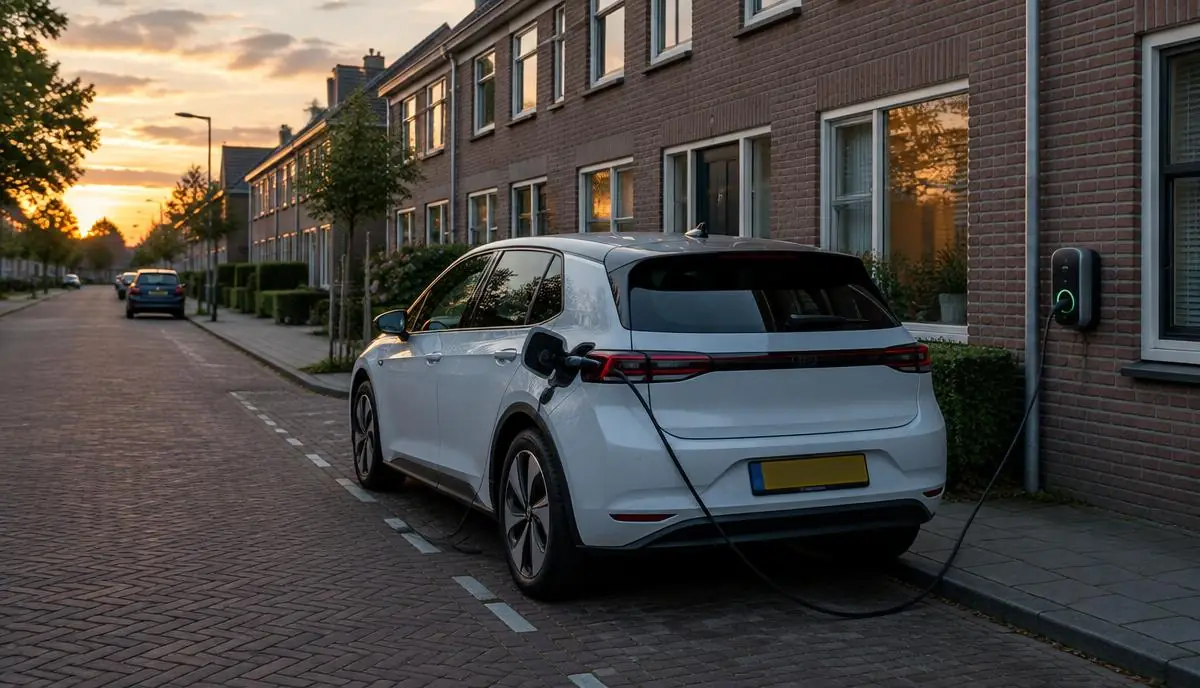
If you get a company car as an expat, you will deal with the Dutch benefit in kind, known as bijtelling. That also applies if you use the 30% ruling.
What is bijtelling?
If you drive more than 500 kilometres a year privately in a company car, a percentage of the list price is added to your taxable income. You pay wage tax on it. The percentage depends on the year of first registration and the type of car. Read more in benefit in kind.
What is the 30% ruling?
The 30% ruling is a tax facility for employees recruited from abroad with specific expertise. The employer may pay part of the salary tax-free as a reimbursement for extra costs. Conditions apply, such as a minimum salary, and the ruling is limited in time. From 2027 the maximum percentage will be reduced.
Always check the current conditions with the Dutch Tax Administration or your employer.
Bijtelling and the 30% ruling together
The benefit in kind for the company car also applies if you have the 30% ruling. How the two work out together on your payslip depends on your salary and the arrangements with your employer. Ask payroll to calculate it.
Personal contribution and car policy
If you choose a more expensive car than your employer pays for, you sometimes pay a personal contribution. A personal contribution for private use reduces the benefit in kind. Read more about standard lease amount and personal contribution and see electric cars if you want a low benefit in kind.
Frequently asked questions
Do I pay less benefit in kind with the 30% ruling?
The benefit in kind itself still applies. What you pay net depends on your total salary and how your employer applies the ruling.
Can I avoid the benefit in kind?
Only if you can prove that you drive no more than 500 kilometres a year privately, for example with a complete trip log.
Does commuting count as private use?
No, for the benefit in kind commuting counts as business use.
Terms in this article