Operational Lease
Excess in operational lease: how does it work?

Updated
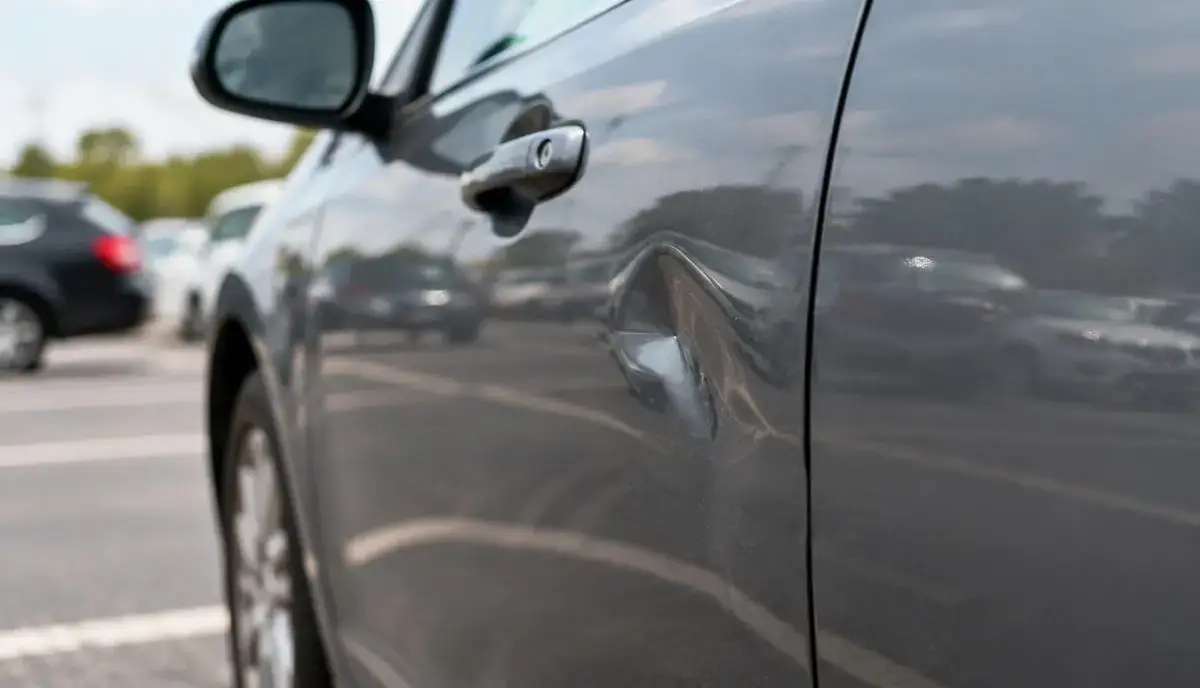
In an operational lease contract, comprehensive insurance is usually included in the fixed monthly price. However, in the event of damage, you may still incur an excess per incident. In this article, we explain how the excess works and when it is charged.
When do you pay the excess?
The excess generally only applies to damage that cannot be recovered from a third party. This includes windscreen damage, hitting a post that was overlooked, or vandalism. If a third party is liable, the damage will be recovered from them, and you will not pay an excess.
Amount of the excess and agreements
The amount of the excess is determined in advance in the lease agreement. For business contracts, this amount can vary per type of damage or driver category. It is wise to carefully compare insurance conditions beforehand to understand the financial consequences in the event of damage.
- Non-recoverable damages fall under the excess arrangement.
- For windscreen repair, a different or lower excess often applies.
- Employers can make agreements about whether to pass on costs to the employee.
Report damage promptly and correctly
To prevent delays or additional costs, you should always report damage to the leasing company or insurer as soon as possible. By meticulously following the prescribed damage procedure, you ensure quick processing and maintain control over the administration.
Which damages are not covered by the excess?
Not all damages to a leased car fall under the excess arrangement. There are specific situations and types of damage that are typically excluded from insurance coverage or for which different conditions apply. This often concerns damages resulting from intent, gross negligence, or use not in line with the lease agreement. Examples include driving under the influence, unauthorised drivers, or participating in illegal races.
Damage to the interior of the car caused by the user's carelessness is also generally not covered by the excess, but is fully charged to the lease driver. It is important to carefully consult the general terms and conditions of the lease agreement and the associated insurance policy to know exactly which exceptions apply. This prevents unexpected costs for damage that falls outside the standard arrangement.
- Damage due to intent or gross negligence.
- Damage by an unauthorised driver.
- Damage to the interior due to careless use.
- Damage incurred during participation in illegal activities.
Excess for multiple damages within one year, how does that work?
The way the excess is applied for multiple damages within one year can vary per leasing company and contract. In most cases, the agreed excess amount applies per damage incident. This means that for each separate damage for which an insurance claim is made, the excess applies again. Therefore, it is not the case that after paying the excess once, all subsequent damages in the same year are fully covered.
However, some lease agreements may contain specific provisions regarding the accumulation of the excess, such as a maximum annual amount or exceptions for certain types of damage. It is therefore essential to carefully check these details in the lease agreement. Clarity on this prevents surprises and provides insight into the financial consequences of multiple incidents within a certain period.
Frequently asked questions
Do I also pay an excess if the damage was caused by someone else?
No, if the third party is known and liable, the damage will be recovered from their insurance, and you will not pay an excess.
Can the excess be reduced during the contract period?
That depends on the agreements in the contract. Sometimes it is possible to reduce the excess in exchange for an adjustment to the monthly rate.
Terms in this article