Business Driving & Tax
Van (company) car addition to taxable income (bijtelling): what do you need to know?

Updated
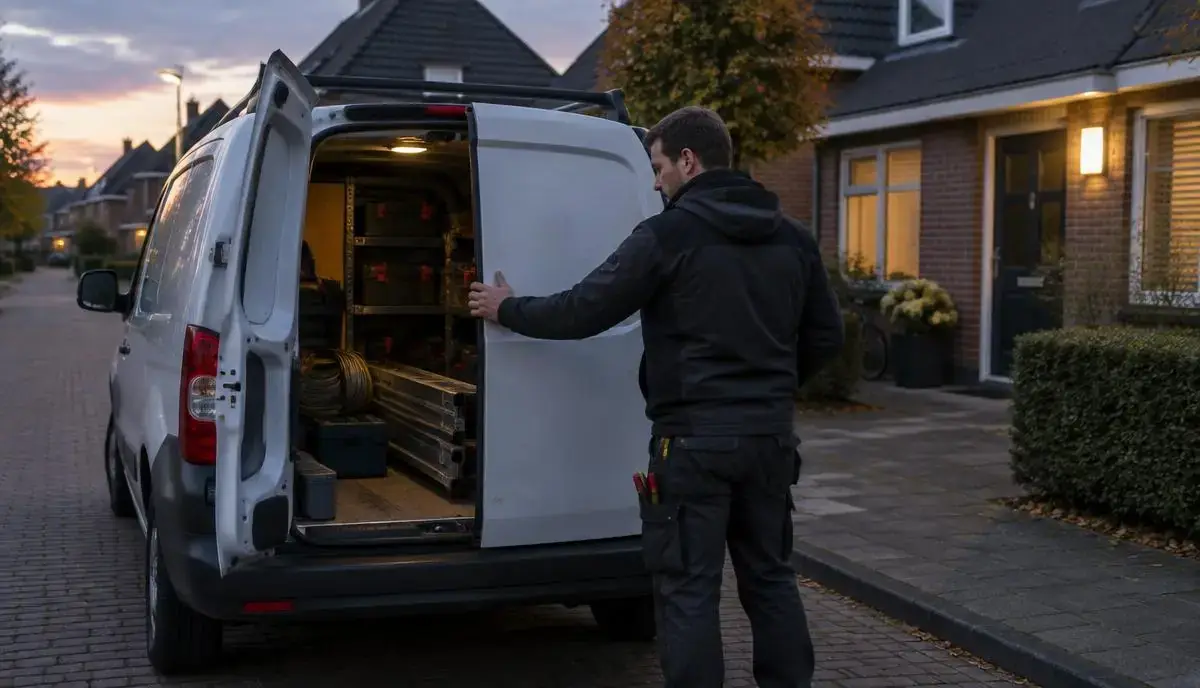
When you, as an entrepreneur, use a company van, specific tax rules apply. Under certain conditions, an exemption from the addition to taxable income (bijtelling) may be possible. In this article, we explain how bijtelling for a company van works and what exceptions there are.
When does bijtelling apply to a company van?
Just like with a passenger car, for a company van, you pay addition to taxable income (bijtelling) if you use the vehicle for private purposes for more than 500 kilometres per year. The bijtelling is a fixed percentage of the list price, including VAT and BPM (Dutch vehicle registration tax), which is added to your taxable income.
Exceptions and exemptions
Special rules apply to some company vans. If a company van is by its nature exclusively suitable for goods transport, you do not have to keep a mileage log. You can also avoid bijtelling with a special declaration. Immediately view our range of practical commercial vehicles for your business.
- Apply for a declaration of exclusively business use
- Vehicle exclusively suitable for goods transport
- Properly arrange alternating use by multiple employees
Administration and control
Are you using a bijtelling exemption? Then ensure that you accurately record agreements and keep your administration in order. The Dutch Tax Authorities (Belastingdienst) may request proof, such as a mileage log or written agreements. Always refer to the current rules of the Belastingdienst for the exact conditions.
What tax advantages are specific to company vans?
These advantages apply in particular when the company van is used almost exclusively for business purposes and meets the requirements set by the Dutch Tax Authorities (Belastingdienst) for the cargo space and the number of seats. It is crucial to ensure that the company van meets these structural requirements, both at the time of purchase and during use, to remain eligible for the tax benefits associated with the 'grey registration plate' (fiscal classification for commercial vehicles).
Frequently asked questions
What is the 'Declaration of exclusively business use'?
With this declaration, you inform the Dutch Tax Authorities (Belastingdienst) that the company van is used exclusively for business purposes. You do not have to keep a mileage log, but you must genuinely drive 0 km privately.
Does bijtelling apply if multiple employees use the company van?
In the case of alternating use by multiple employees, the employer can opt for a final levy instead of individual bijtelling, provided the fiscal conditions are met.
Terms in this article