Equipment Lease
Leasing Machinery: What Entrepreneurs Should Consider

Updated
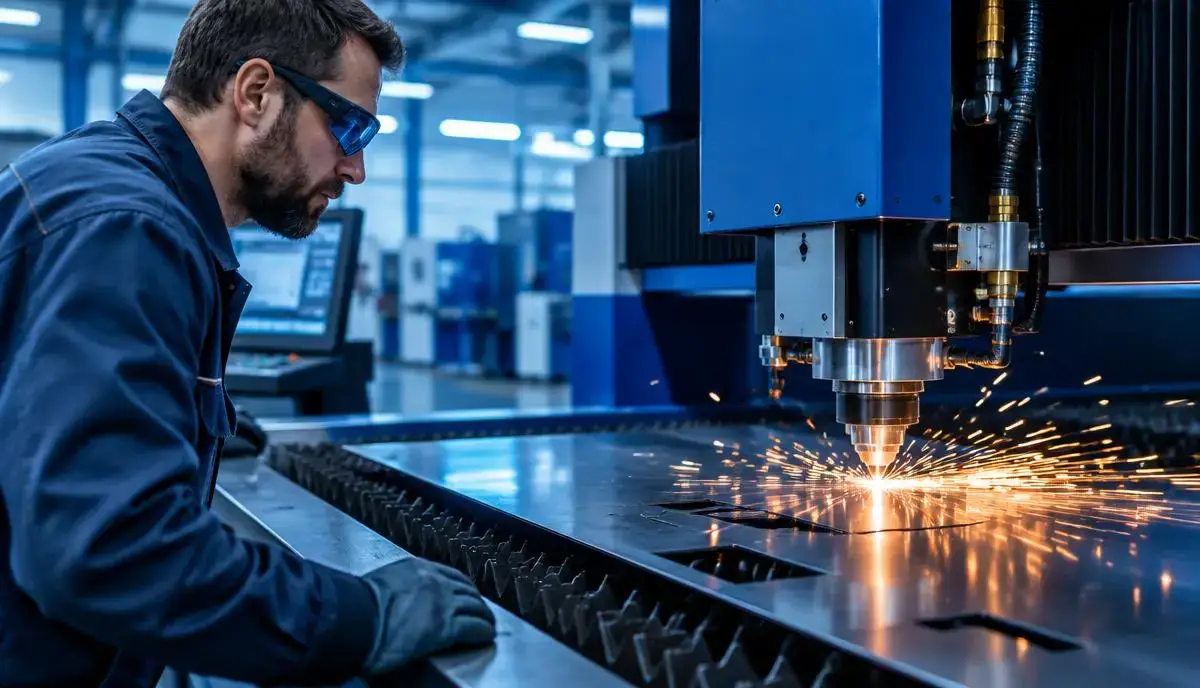
Acquiring new machinery often represents a significant investment for companies in the manufacturing, agricultural, or construction sectors. By leasing machinery, you spread the expenses over a longer period. However, there are important points to consider before finalising an agreement.
Choose the right lease type
Determine in advance whether you want to take over the machine after the term or return the asset after use. With financial lease, you become the economic owner and record the machine on your balance sheet, whereas with operational lease, the right to use is central. With a suitable equipment lease, you can tailor the contract to your operational needs.
Ownership and maintenance obligations
Always check who is responsible for maintenance, periodic inspections, and insurance. With some contract types, these matters are included, while with others, you bear the risk and organisation yourself.
- Check whether preventive maintenance is included in the monthly payment.
- Review the terms regarding wear and tear and any damage at the end of the term.
Determining term and capacity
The term of the lease contract should closely align with the expected economic lifespan of the machine. Do not choose a term that is too long if the equipment quickly becomes obsolete, to avoid paying for machines that no longer perform optimally.
How does leasing affect my balance sheet?
Operational lease, on the other hand, is often kept off the balance sheet (off-balance), as the legal and economic ownership remains with the leasing company. The lease payments are then expensed as operating costs. This can be advantageous for companies that want to 'lighten' their balance sheet and maintain favourable debt ratios. However, due to international accounting standards IFRS 16, recent changes have been implemented that limit the off-balance treatment of operational lease for certain entities. Always verify the current accounting guidelines applicable to your company.
Are there flexible options for my changing business needs?
Inquire with the leasing company about the conditions for early termination, extension, or upgrades of the leased assets. Some agreements offer built-in flexibility clauses that allow for scaling the lease agreement, both up and down, or swapping machines after a certain period. Such options can be valuable for seasonal businesses or organisations in sectors with rapid technological developments. This prevents you from investing in machines that quickly become obsolete or no longer perform optimally for current business operations.
Frequently asked questions
Who is responsible for the maintenance of a leased machine?
This depends on the lease type. Maintenance is often included with operational lease, while with financial lease, you are responsible for maintenance yourself.
Can I modify a leased machine during the term?
Modifications are usually only allowed with written permission from the leasing company, unless the machine can be restored to its original condition.