Equipment Lease
Leasing a Trailer: Business Options and Advice

Updated
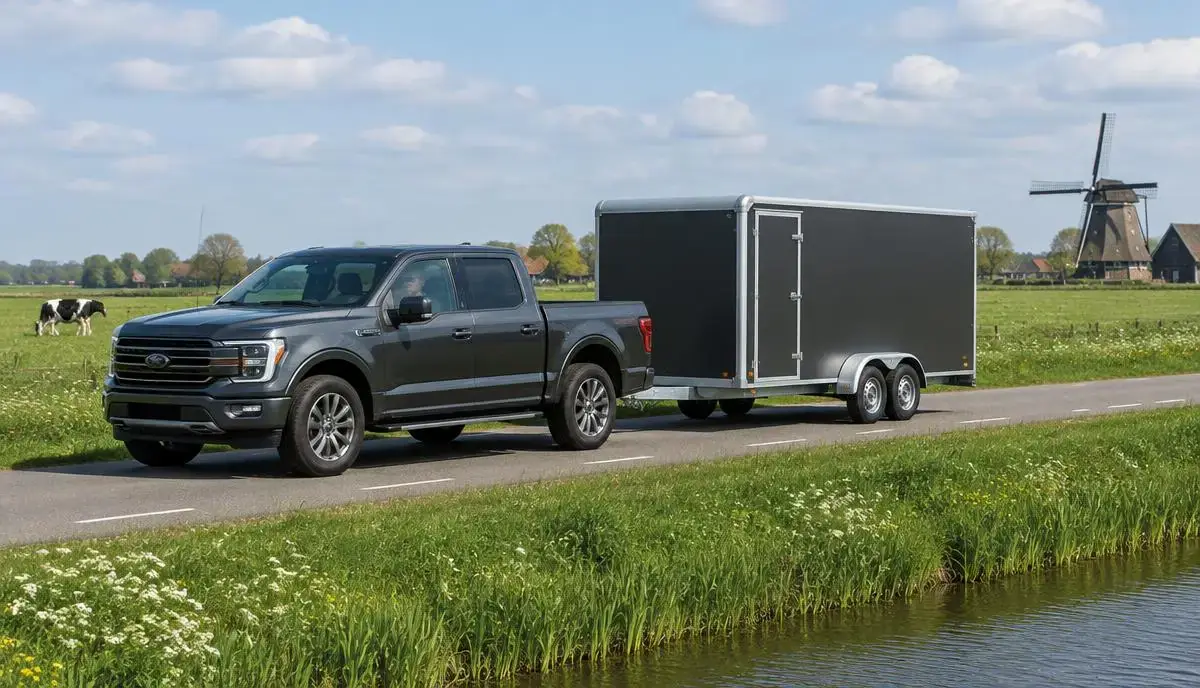
For many landscapers, construction companies, and transporters, a trailer is indispensable for daily operations. Leasing a trailer makes it possible to quickly add extra transport capacity to your business. This keeps financial resources within the company available for other expenses.
Leasing different types of trailers
Whether you need an enclosed body, a tipper, a welfare unit, or a car transporter: almost every type of transport equipment can be leased for business. This ensures you always choose the equipment that precisely fits your company's operational needs.
- Flexible expansion of the existing fleet.
- Possibility for specific customisation or bespoke construction.
Ownership and Contract Terms
When entering into a lease agreement, you decide beforehand whether the trailer will become your property at the end of the contract. With financial lease, the asset is on your balance sheet, and you are responsible for its depreciation. You can find more information about the options at leasing a trailer for business.
Maintenance, Inspection, and Insurance
A trailer requires periodic maintenance of its brakes, tyres, and lighting to remain safe on the road. Pay close attention to whether these costs are included in the monthly payment or if you are responsible for them yourself. Consult your advisor regarding the tax treatment of operational costs.
What financial benefits does trailer leasing offer my business?
Leasing a trailer can offer various financial advantages for business users. A key aspect is the spread of costs, where the investment is not paid in one go, but over a longer period via fixed monthly instalments. This significantly improves your company's cash flow, as less liquid capital is immediately required for the purchase. This keeps capital available for other business activities or unexpected expenses, increasing financial flexibility.
Furthermore, operational lease can often be kept off the balance sheet. This means the trailer does not appear on your company's balance sheet, which can be favourable for solvency and liquidity. Lease costs are often tax deductible as business expenses, which reduces the net cost of using the trailer. It is advisable to consult a tax advisor to determine which specific tax benefits apply to your situation.
- Preservation of liquidity for other investments
- Clear and predictable monthly costs
- Possibility of tax deduction for lease costs
- Improved cash flow management
When is leasing a trailer the best choice over buying?
The choice between leasing or buying a trailer depends on several factors within your business operations. Leasing is often an attractive option when you don't want to make a large initial investment, or when you desire the certainty of fixed monthly payments and predictable costs. This is particularly relevant for companies that want to expand quickly or work on a project basis, and where the need for a trailer is temporary or flexible. Leasing also offers a solution for companies with a limited investment budget.
Leasing can also be beneficial if you always want to have a modern and well-maintained trailer, without the worries of depreciation or the sale of an older model. Many lease contracts include maintenance and sometimes even insurance, which provides peace of mind and budgetary clarity. Buying, on the other hand, is often more suitable for a long-term need and when you want to activate and depreciate the trailer as a business asset on your balance sheet.
Frequently asked questions
Can I lease a trailer with specific customisation options?
Yes, customisation is often possible. The costs for construction or specific options will then be incorporated into the total lease amount.
What happens at the end of the lease contract?
With financial lease, you become the full owner after fulfilling the final payment. With operational lease, you return the trailer.
Terms in this article