Insurance Policies
Insuring an Electric Car: Important Coverages

Updated
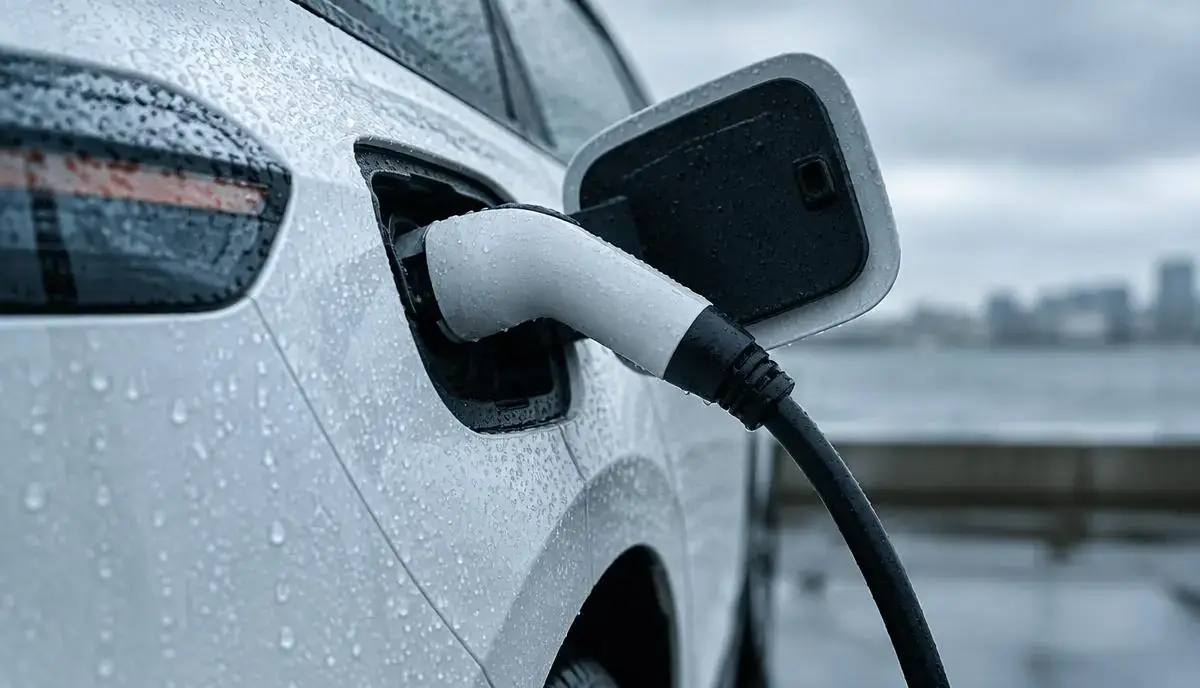
The number of business drivers switching to an electric vehicle continues to grow steadily. However, insuring an electric car requires attention to specific components, such as the battery pack and associated charging equipment. In this article, we explain which coverage best suits electric business driving.
Important Considerations for the Battery Pack
The battery is the most expensive component of an electric vehicle. Insurers apply varying conditions for the repair or replacement of the battery in the event of damage due to an accident or fire. With operational lease, the battery pack is included in the contract, but with purchase or financial lease, you must check whether the battery is fully insured at the correct value.
Insuring Charging Cables and Charging Stations
In addition to the vehicle itself, peripheral devices are indispensable for electric driving. Charging cables are susceptible to theft and can easily be damaged during daily use. Via our insurance page you can discover how to properly include extra accessories and charging facilities in your policy. A fixed charging station on your own business premises often falls under the building insurance of your commercial property.
Choosing Between Casco and All-risk
Due to the high purchase price and advanced technology of electric cars, most business drivers opt for an All-risk insurance policy. This prevents you from incurring high repair costs yourself in the event of a single-vehicle accident or electronic malfunctions. If in doubt, consult the current rules and policy conditions of your insurer.
What Role Does the List Price Play for an Electric Car?
When insuring an electric car, the list price (cataloguswaarde) is an important factor. This value is used to calculate the premium and determine the payout in the event of a total loss or theft. Electric cars often have a higher list price than comparable petrol or diesel models, partly due to the cost of the battery pack. It is essential to check how your insurer handles the depreciation of this higher value.
Many insurers offer a new-for-old or purchase price scheme, which can be particularly attractive for new electric cars. This means that in the event of total loss or theft, you will receive the new price or the purchase price back for a certain period, instead of the current market value. Given the relatively rapid depreciation of cars in the first few years, this can be a valuable addition to standard coverage for electric vehicles.
Are there specific Breakdown Assistance Coverages for Electric Vehicles?
Traditional breakdown assistance coverages are not always fully adequate for the specific needs of electric cars. In addition to common problems such as a flat tyre or engine failure, electric cars can break down with an empty battery. It is therefore advisable to check whether your breakdown assistance coverage provides an on-site charging service or transport to a charging point when the battery is empty and there is no charging option nearby.
Some insurers and breakdown assistance services have expanded their services with specific assistance for electric vehicles. This may include a mobile charging service coming to the scene or the car being taken to the nearest suitable charging station. Pay attention to the conditions, such as the maximum number of kilometres the car will be towed or the costs charged for this, to avoid unexpected expenses.
- Charging service for empty battery (on-site charging)
- Transport to charging station or dealer in case of breakdown
- Attention to specialised mechanics for EV malfunctions
Frequently asked questions
Are charging cables always covered by a standard business policy?
Not always. With some insurers, charging cables fall under standard coverage, but with others, you need to explicitly insure them as an accessory.
What happens if the battery is damaged in a collision?
With an All-risk coverage, damage to the battery due to a collision is generally covered. However, always check the specific policy conditions.